In a previous post I looked at an anemometer that I bought from AliExpress that was built around a cheap toy motor. I wasn't happy with it so decided to salvage the cups from it for use in a scratch built one using a bicycle hub. It's been an interesting project and had more challenges... Continue Reading →
Ben Franklin and DIY Lightning Detection using a AS3935 Lightning Sensor
I've had an interest in detecting lightning for many years. I remember reading an article about Benjamin Franklins lightning experiments back in the 80's or early 90's. I thought the article was in an issue of Electronics Australia, but I have not been able to locate it. Ben Franklin is fairly well known for flying... Continue Reading →
Inside a Cheap Aluminium Anemometer
Choosing an Anemometer I've been considering what to use for an anemometer for my weather station. I was thinking of making my own, but a significant downside would be calibrating it. I checked what was available on AliExpress. Many are plastic and I don't want a plastic one and I don't want to have to... Continue Reading →
Customizing the Random Nerd Tutorials ESP-NOW Web Server Sensor Dashboard
I've wanted to build a weather station for a long time, probably for at least 30 years. Droughts are common here, and we rely on rain for all our household water. Our house is also quite exposed to strong winds. At one point a neighbour a couple of kilometers away had their roof blown off... Continue Reading →
Me and ChatGPT attempt to build a Simple Si5351 VFO for the 40MHz Direct Conversion receiver
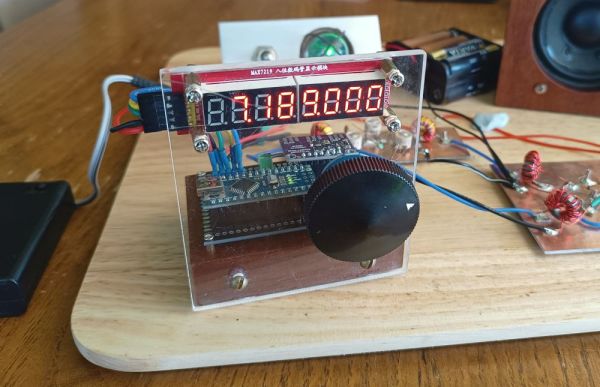
Ever since I started tinkering with Arduinos I’ve wanted to build a shortwave receiver using a Si5351 oscillator to tune the frequency. When I saw and built the Soldersmoke Direct Conversion receiver I immediately saw a chance to give it a try. While I've dabbled a lot with Arduinos, I have never used the Si5351.... Continue Reading →
Making helping hands for soldering using odds and ends
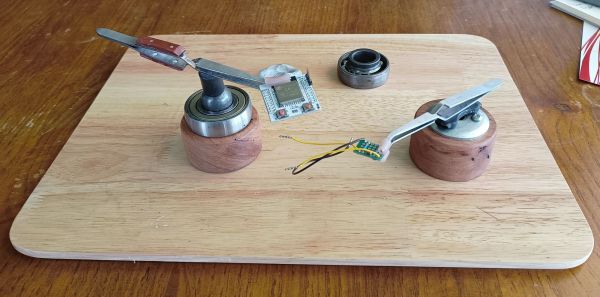
I’ve never owned a proper set of helping hands for soldering, so I can’t tell you how good they are. I've tried using metal spring clams, but that didn't work well. For the last few years I've been using blu tack the Julien Illet way. https://www.youtube.com/watch?v=iZygyqx6AOY It works well, but sometimes I just need to... Continue Reading →
ESP32: Wakeup from multiple GPIO sources and using predefined pin definitions instead of bitmask
The ESP32 can be set to wake up from sleep due to one of several pins going high. Which pin caused it to wake up? This has been causing me a few headaches with my combined mailbox and driveway monitor because sometimes multiple pins can be high at once. While researching this I also discovered... Continue Reading →
Attempting to change the backlight of a 16X2 LCD from green to red
The mailbox and driveway monitor that I built has a 12X2 LCD screen. I know these are not as fancy as many newer displays, but I like their simplicity. The screen in this project runs all the time, usually displaying the time. When mail is delivered, I wanted a coloured visual alert as well as... Continue Reading →
Building a smart mailbox: Challenges and unsolved issues
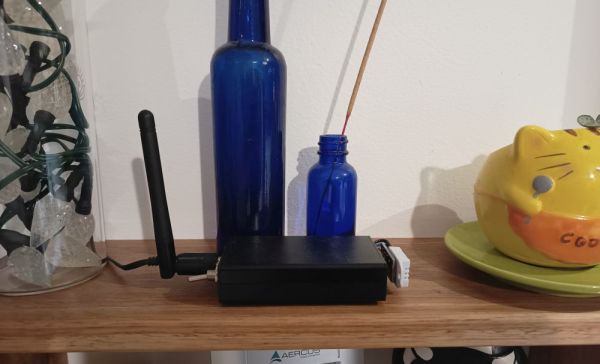
My main Arduino project for the last few months is trying to design and build a monitor that wirelessly sends an alert to the house when mail has been delivered in the mailbox or a vehicle goes through the front gate. I wanted the sender unit to be solar powered and use an ESP32. Reed... Continue Reading →
Calculating bitmask value for ESP32 external wake up: Google is your friend
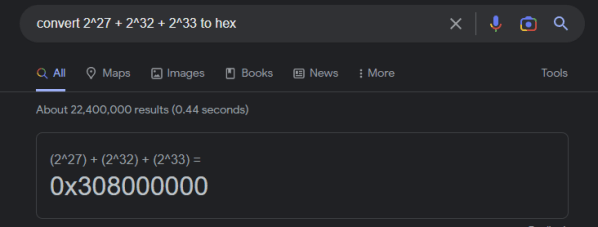
Update 14 April 2024: I've discovered that it is not necessary to calculate bitmask values for the ext1 external wakeup with the ESP32. There are predefined definitions that you can use. If you are interested check out my post ESP32: Wakeup from multiple GPIO sources and using predefined pin definitions instead of bitmask I'm currently... Continue Reading →